
Carbon Fiber Truck Bed for Ford F-150: A Practical 2025 Guide
Introduction
Thinking of upgrading your Ford F-150 with a carbon fiber truck bed? Our guide covers the reality: no factory option, aftermarket solutions, true costs, and whether it’s worth the investment.
Let’s be clear from the start: Ford does not offer a factory carbon fiber bed on any F-150 model. Since 2015, Ford has committed to using high-strength aluminum for the truck bed and body, a move that saves significant weight and provides excellent corrosion resistance.
The only way to get a carbon fiber bed on your F-150 is through the aftermarket. This guide will break down everything you need to know to decide if this premium upgrade is right for you.
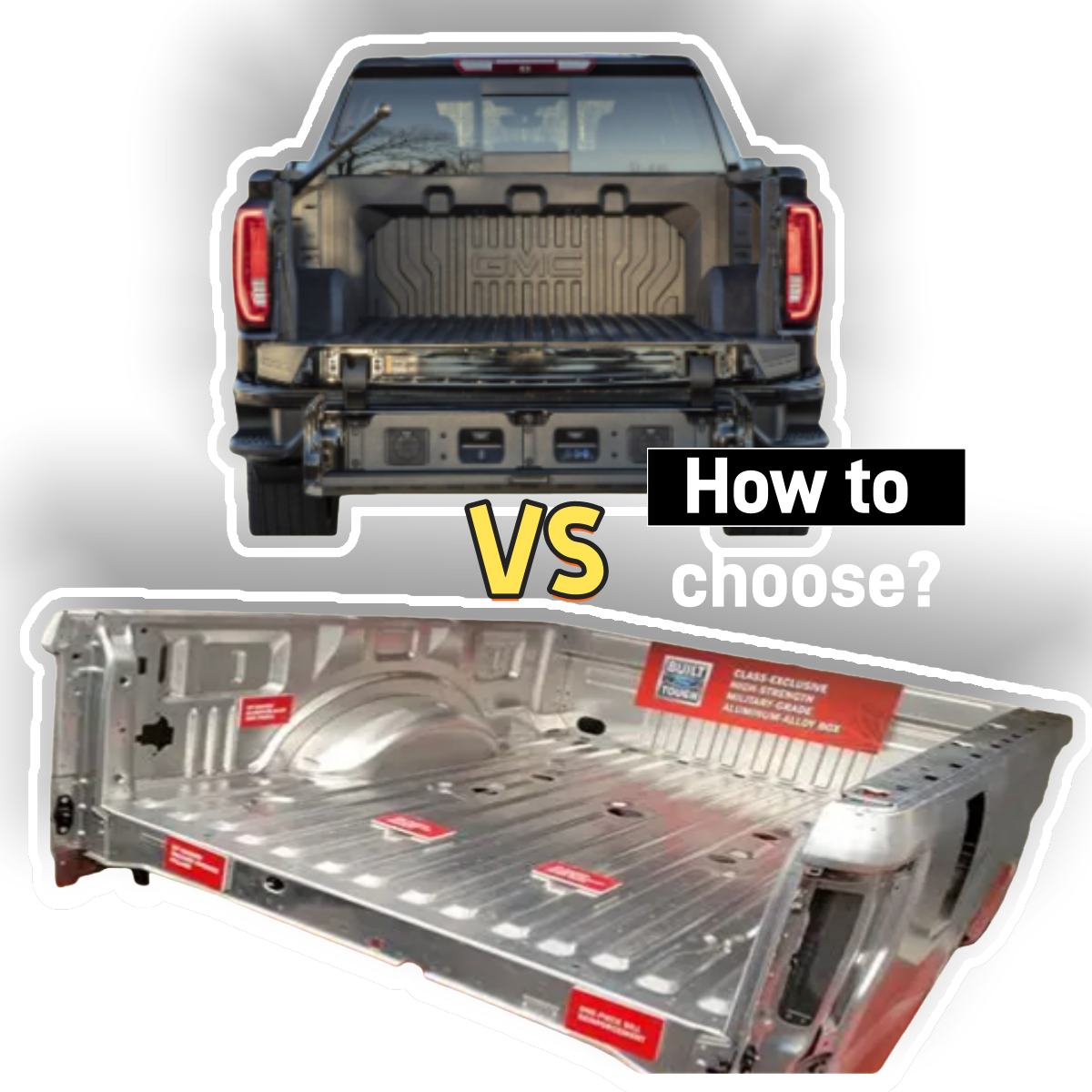
Understanding Your F-150’s Aluminum Bed
First, it’s important to understand what you already have. The F-150’s aluminum bed is a proven, durable solution.
- Weight Savings: The aluminum construction shaves off hundreds of pounds compared to traditional steel.
- Rust Resistance: Aluminum beds do not rust, a major advantage over steel.
- Established Repairs: Dent repair processes are well-established, and costs are now competitive with steel.
For the vast majority of owners, the factory aluminum bed is more than capable.
The Aftermarket Carbon Fiber Option
Since Ford doesn’t offer it, companies like Fiberwerx step in. They and other specialists sell carbon fiber bedsides—the side panels of the truck bed—for 2015-2025 F-150 models.
Key Considerations:
- It’s a Modification, Not a Replacement: This is not a simple swap. You are replacing original panels, which involves a complex installation process.
- Professional Installation is a Must: The process requires removing factory spot welds, precise alignment, and bolting. This is not a DIY project for most.
- Cost and Lead Time: Expect to pay $800+ for the panels alone, plus significant labor costs. Custom carbon fiber parts often have lead times of 8-15 weeks.
Carbon Fiber vs. Aluminum: The Real-World Comparison
Is carbon fiber better? Technically, yes. But is it better for you? Let’s look at the facts.
| Feature | Aluminum Bed (Factory) | Aftermarket Carbon Fiber |
|---|---|---|
| Durability | High resistance to dents and scratches. Proven over a decade of use. | Extremely high tensile strength; highly resistant to impacts and abrasion. |
| Corrosion | Will not rust. | Will not rust or corrode. |
| Weight | Lighter than steel, heavier than carbon fiber. | ~25% lighter than steel (modest savings on total vehicle weight). |
| Cost & Repairs | Moderate, with widespread repair networks. | Very high initial cost. Repair costs and expertise are rare and expensive. |
| Aesthetics | Standard truck bed appearance. | Premium, high-end look that stands out. |
| Maintenance | May require a spray-in bedliner for scratch protection. | Texture often eliminates the need for a separate bedliner. |
The Weight Savings Myth: Don’t expect a massive fuel economy boost. A carbon fiber bed might save around 60 pounds—a fraction of the truck’s total weight. The real benefit is a slight increase in payload capacity.
Who Is an Aftermarket Carbon Fiber Bed For? A Simple Checklist
Consider it if you check these boxes:
- ✅ Hard Use: Your bed regularly endures heavy, abrasive cargo (e.g., construction tools, gravel).
- ✅ Corrosion Concerns: You operate in environments where rust is a constant threat (e.g., coastal areas, chemical hauling).
- ✅ Aesthetic Priority: You are building a custom show truck and want the premium look.
- ✅ Long-Term Ownership: You plan to keep the truck for many years and value long-term durability over upfront cost.
Stick with aluminum if:
- ❌ Budget-Conscious: The $1,500+ total investment is hard to justify.
- ❌ Standard Use: You use your truck for typical hauling, home projects, and commuting.
- ❌ Warranty Matters: You prefer the security of factory parts and dealer repairs.
- ❌ Fuel Economy is the Goal: The minimal weight savings won’t impact your mileage noticeably.
Final Verdict: Is It Worth It?
For most F-150 owners, an aftermarket carbon fiber bed is not a practical necessity. The factory aluminum bed offers an outstanding balance of strength, weight, and cost-effectiveness.
However, for a specific niche—commercial users, off-road enthusiasts, and custom builders who subject their trucks to extreme conditions—the superior durability and unique advantages of carbon fiber can justify the high cost and complexity.
In short: Your stock aluminum bed is excellent. Carbon fiber is a premium upgrade for those who need its specific, extreme-performance benefits.


Leave a Reply
Want to join the discussion?Feel free to contribute!