
Carbon Fiber Tubes: Precisely Solving Challenges in Multiple IndustriesHello
Product Introduction
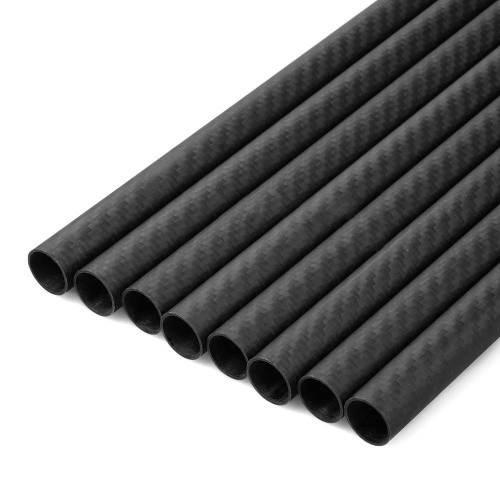
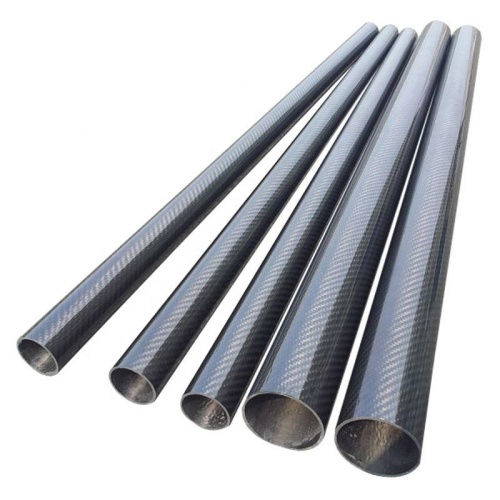
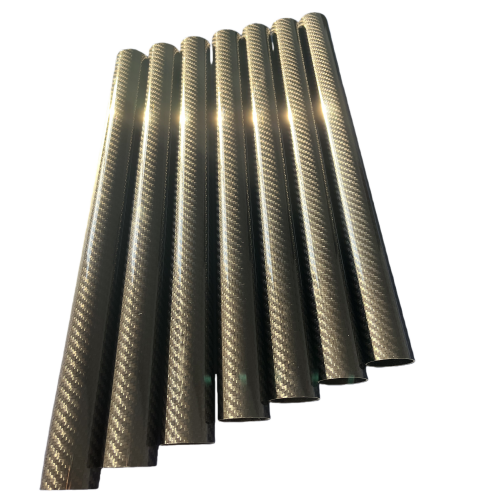
Carbon fiber tubes are hollow tubular composite materials manufactured using carbon fiber as the reinforcement, impregnated with a resin matrix, and formed through processes like winding, pultrusion, or filament winding. Known for their characteristic combination of being “flexible yet rigid,” they are lighter than aluminum but stronger than steel. Coupled with advantages such as corrosion resistance and high modulus, they have become an ideal material for high-end fields including aerospace, automotive manufacturing, and precision instruments .
Compared to traditional metal materials, carbon fiber tubes can achieve a weight reduction of approximately 70% compared to steel tubes and about 30% compared to aluminum alloy tubes while maintaining equivalent mechanical strength. This data clearly explains why carbon fiber tubes are the preferred material for industrial lightweight design .
Product Details
Product Details
Core Performance Data
The table below provides a detailed comparison of the performance differences between carbon fiber tubes and traditional metal materials, visually demonstrating their technical advantages:
| Performance Indicator | Carbon Fiber Tube | Aluminum Alloy Tube | Steel Tube | Product Advantage Description |
| Density (g/cm³) | 1.5 – 2.0 | 2.7 – 2.9 | 7.8 – 7.9 | Significant weight reduction, easier handling and installation |
| Tensile Strength (MPa) | 3000 – 5000 | 200 – 400 | 300 – 600 | Ultra-high strength, excellent load-bearing capacity |
| Thermal Expansion Coefficient (10⁻⁶/℃) | -0.5 to 0.5 | 21 – 24 | 11 – 12 | Excellent thermal stability, nearly zero expansion |
| Corrosion Resistance | Excellent (except strong acids/bases) | Fair | Poor | Adapts to harsh environments, long service life |
| Fatigue Performance | Excellent | Good | Fair | Minimal deformation after long-term use |
| Axial Stiffness | High | Medium | High | Low vibration, stable operation |
1.Key Technical Advantages
1.1Combination of Lightweight and High Strength
Carbon fiber composite materials have low density and high strength, significantly reducing equipment weight.
Taking paper machine rollers as an example, using carbon fiber tubes not only effectively reduces the weight of the equipment but also significantly decreases the rotational inertia of the roller.
This allows the roller to operate at high speeds with stability, thereby improving the overall production efficiency of the machinery .
1.2Exceptional Thermal Stability
Carbon fiber tubes have an extremely low, nearly zero, coefficient of thermal expansion.
This characteristic makes them perform outstandingly in applications sensitive to temperature changes.
For instance, in the field of optical instruments, optimizing the layup scheme can achieve a near-zero thermal expansion coefficient for components, ensuring the precision of optical syste.
1.3Fatigue and Corrosion Resistance
Carbon fiber composites exhibit excellent fatigue resistance.
Their light weight and low friction mean that when used in rotating rollers, even at high speeds, the rollers are less prone to significant deflection, effectively preventing damage to related parts.
Furthermore, their strong corrosion resistance allows them to withstand erosion from common industrial chemicals (except strong acids and bases), significantly extending service life in harsh environments such as chemical plants and marine applications .
2.Diversified Application Scenarios
Carbon fiber tubes have demonstrated outstanding value in numerous industrial fields:
Industrial Manufacturing:
In papermaking, printing, and textile machinery, carbon fiber rollers can reduce vibration, lower inertia, and improve production precision and efficiency .
Equipment Structural Components:
As components like robotic arms and high-precision transmission shafts, they can reduce the rotational inertia of equipment and improve operational efficiency .
Infrastructure Construction:
In bridge cable applications, carbon fiber tubes are lighter and more corrosion-resistant than traditional steel cables, reducing maintenance costs and replacement frequency .
Special Environment Applications:
In industries such as chemicals and petroleum, carbon fiber pipelines can effectively transport corrosive media.
Their smooth inner walls offer low flow resistance, improving transport efficiency .
3.Application Prospects
With continuous technological advancements and cost optimization, the application prospects for carbon fiber tubes are very broad.
In emerging fields such as new energy vehicles, wind energy, and high-end equipment manufacturing, carbon fiber tubes are becoming indispensable key materials .
Through industry-academia-research collaboration, production technology for carbon fiber tubes continues to innovate, costs gradually decrease, and performance constantly improves.
For example, one enterprise achieved a cost reduction of approximately 40% through technological optimization, further promoting its application in wider fields .
Conclusion
Carbon fiber tubes, leveraging their exceptional properties like light weight, high strength, corrosion resistance, and low thermal expansion coefficient, are becoming key materials for solving industrial challenges.
As manufacturing processes continue to mature and application fields expand, carbon fiber tubes will play an increasingly important role in industrial upgrading and technological progress .
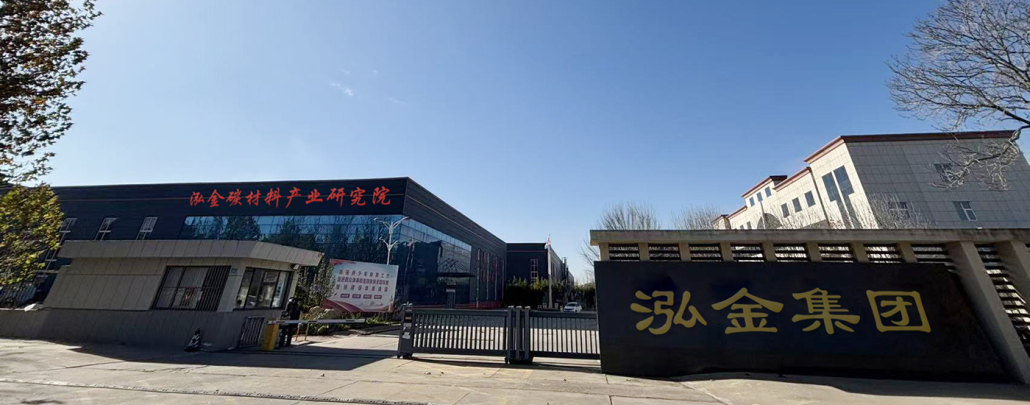
Our company, Hongjin Carbon Fiber Composites, has extensive experience in carbon fiber production and personalized customization.
If you have further questions regarding specific specifications or application solutions for carbon fiber tubes, please feel free to consult our professional technical team.
We will provide personalized solutions based on your requirements.
Related Products



Hello
Click here to add your own text
Product Details
Click here to add your own text
Related Products