
Carbon Fiber 3K Woven Fabric: Product Analysis of a Lightweight and High-Strength MaterialHello
Carbon fiber 3K woven fabric is a high-performance material composed of yarns where each bundle contains 3,000 individual carbon filaments.
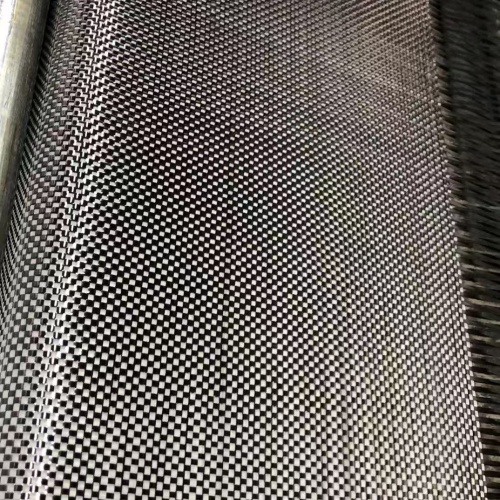
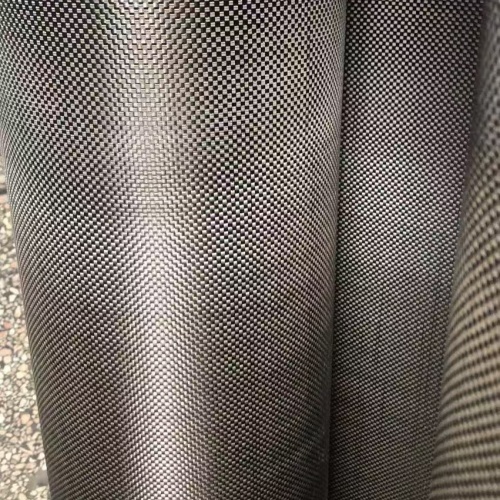
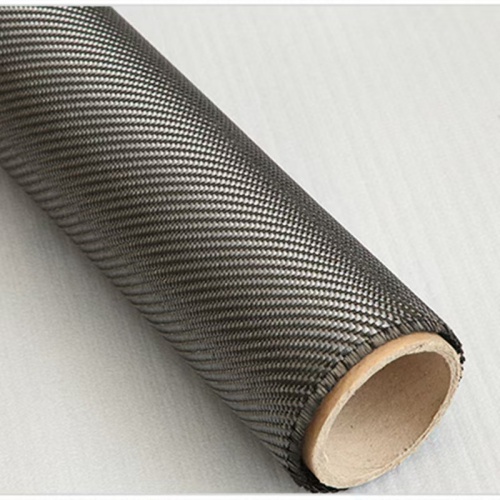
Recognizable by its distinctive twill or plain weave patterns, this fabric is not only valued for its clear, aesthetic texture but also renowned for its exceptional strength-to-weight ratio.
As a critical material in high-tech industries like aerospace, automotive manufacturing, and sporting goods, carbon fiber 3K woven fabric is continually redefining the boundaries of material application .
Product Details
1. Product Definition and Specifications
The “K” in carbon fiber 3K stands for “kilo,” indicating that each bundle of carbon fiber consists of 3,000 individual filaments.
This specific count strikes an optimal balance between flexibility and strength, making it an ideal choice for various high-performance applications .
Based on the weaving pattern, 3K carbon fiber fabric is primarily categorized into plain weave and twill weave.
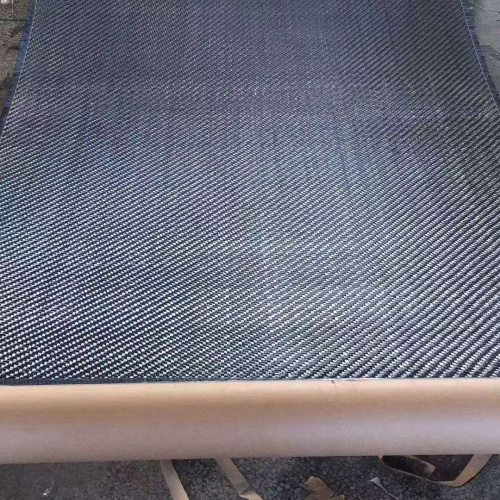
Plain weave creates a uniform checkerboard pattern, while twill weave produces a more three-dimensional diagonal pattern, often likened to a herringbone texture .
Standard specification parameters for this material include a surface weight typically around 200 g/m² (common range 180-280 g/m²) and a thickness often around 0.25 mm .
Common roll widths are 1 meter to 1.5 meters, with roll lengths up to 100 meters.
These specifications can usually be customized to meet the specific requirements of different application scenarios .
2. Exceptional Performance Advantages
The most notable feature of carbon fiber 3K woven fabric lies in its outstanding mechanical properties.
Test data indicates a tensile strength that can exceed 3,500 MPa, far surpassing that of ordinary steel .
At the same time, the material’s density is only about 1.65 g/cm³, less than a quarter that of steel, perfectly achieving the combination of lightweight properties and high strength .
The material also possesses excellent corrosion resistance, enabling it to withstand erosion from various chemicals such as acids, alkalis, and salts, maintaining stable performance in harsh environments .
Its high-temperature resistance allows it to retain its original mechanical properties even in elevated temperature conditions.
Furthermore, carbon fiber 3K fabric features a low thermal expansion coefficient, good electrical and thermal conductivity, excellent X-ray translucency, and electromagnetic shielding properties, facilitating its use in specialized fields like medical and aerospace applications .
| Advantage Category | Specific Performance | Key Characteristics |
| Structure & Properties | High Strength-to-Weight Ratio | Density less than 1/4 of steel, specific strength can be 20 times that of iron, enabling significant weight reduction while maintaining high structural strength. |
| Excellent Mechanical Properties | High modulus, capable of withstanding significant loads and deformation. Different weaves (plain, twill, satin) offer distinct characteristics; e.g., twill weave offers good flexibility and tear resistance . | |
| Outstanding Durability | Corrosion and fatigue resistance, stable performance in harsh environments (acids, alkalis, salts), long service life . | |
| Functional Properties | Electrically and thermally conductive. Some types can withstand high temperatures. | |
| Usability & Processability | Good Flexibility | Soft material, suitable for molding complex shapes . |
| Ease of Construction | When used for structural reinforcement, it requires no large machinery, occupies little space, and offers high efficiency. | |
| Broad Process Compatibility | Suitable for various molding processes like RTM, hot pressing, and vacuum-assisted infusion. | |
| Application Diversity | Wide Range of Applications | From aerospace, automotive industry to sporting goods (e.g., rackets, fishing rods, bicycles) and structural strengthening . |
| High Aesthetic Appeal | Twill weave offers clear texture, various color options, providing a technological and three-dimensional appearance. | |
| Economic Benefits | Lightweighting Benefits | Use in vehicles reduces energy consumption and improves operational efficiency. |
| Cost-Effective Lifecycle | Although initial cost may be high, its long lifespan and low maintenance needs offer good economy over its full lifecycle. |
3. Diverse Application Scenarios
In the aerospace and defense sectors, carbon fiber 3K fabric is used to manufacture critical components like aircraft parts, satellite elements, and radomes.
These applications demand extremely high requirements for material weight, strength, and heat resistance .
The automotive industry is a significant application field for 3K carbon fiber fabric.
Components ranging from body kits and hoods to interior parts like steering wheels and pedals not only enhance vehicle performance but also give cars a more technological appearance .
In sporting goods, this material is widely used in manufacturing high-end products like golf club shafts, tennis rackets, bicycle frames, and fishing rods .
Simultaneously, in the medical field, it is applied to devices such as CT scanner tabletops, prosthetics, and orthopedic supports .
The construction industry is increasingly using 3K carbon fiber fabric as a structural reinforcement material for the seismic strengthening and repair of bridges, tunnels, and buildings .
4. Key Usage Considerations
During construction, it is essential to ensure the ambient temperature is suitable (typically between 5-40°C), relative humidity is below 85%, and the work surface is clean and dry.
Work should be suspended during rain or if condensation forms on concrete surfaces .
Regarding safety precautions, as carbon fiber fabric can produce small, irritating filaments, direct skin contact should be avoided, and local exhaust ventilation is recommended to prevent inhalation. Since carbon fiber is conductive, the work area should be kept away from ignition sources and direct sunlight .
For structural strengthening applications, it is crucial that specialized construction teams perform the work to ensure the carbon fiber fabric bonds perfectly with the matching resin, achieving the optimal reinforcement effect .
With continuous advancements in manufacturing processes, the cost of carbon fiber 3K woven fabric is gradually becoming more accessible, and market demand continues to grow.
In the future, with the rapid development of new energy vehicles, aerospace, and high-end sports industries, this high-performance material is poised for even broader application prospects.
For companies seeking product differentiation and performance breakthroughs, carbon fiber 3K woven fabric is undoubtedly a key material for achieving technological innovation and product upgrades.


